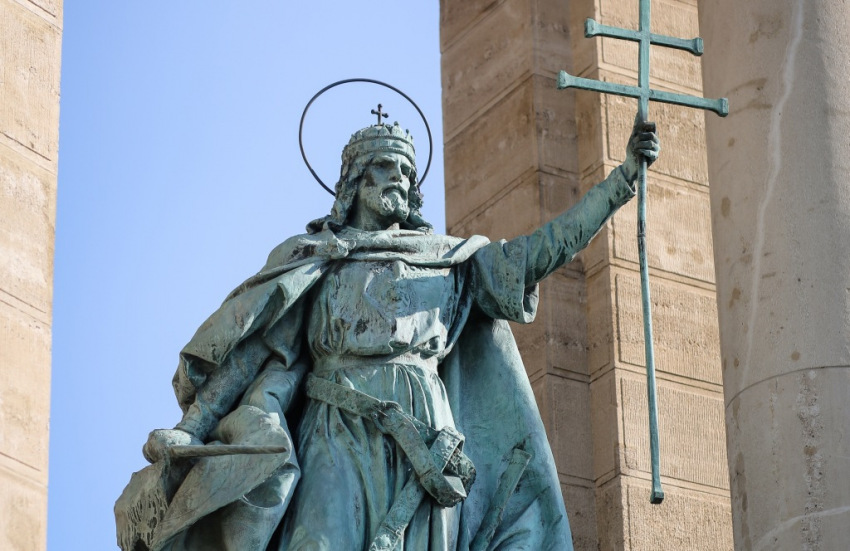
And now let's move to Saint Stephen I and his work of organizing the feudal administration of the country. I touched on the topic here: >>44801
For me it feels more like bureaucratic administration than feudal. The head of the counties, the comes wasn't a feudal lord, the county wasn't his property, it was royal property and the comes was an appointed, public official to see over the land for the king. The comes being a noble had holdings on his own. Later this is changes somewhat, but we're talking about Stephen. The work Saint Stephen did here regulated the private royal lands and their administration, he did not issue rules about the private lands of the feudal lords. It's very interesting because the public power equaled to the royal private power in the medieval. Those times weren't as forthcoming as the French Louis XIV's absolutist era, that the state is the king, but it is obvious that the medieval state isn't how we think about the modern states we live in. Perhaps closest parallel is Saudi Arabia to a medieval one. Anyway.
As noted Stephen I was the greatest landholder in the country (the lands of the kings were called patrimonium in Latin) His lands had three origins: inheritance, confiscation, and the regal right to the unoccupied lands. And there were a lot of the last one, and they were different kind, they generally meant unsettled and unused land by the Hungarian tribes and clans. These often laid between these settlements and around them, around the country on the border lands. Empty land itself was useless however, it did not produce anything. The real "land ownership" was the workforce and livestock on the land. This is why he was keen on accepting immigrants from both west and east, they were colonists he could settle on uncultivated land, raising his own power.
 08/20/2026 (Thu) 15:59
No.55554
del
08/20/2026 (Thu) 15:59
No.55554
del