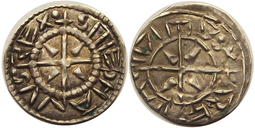
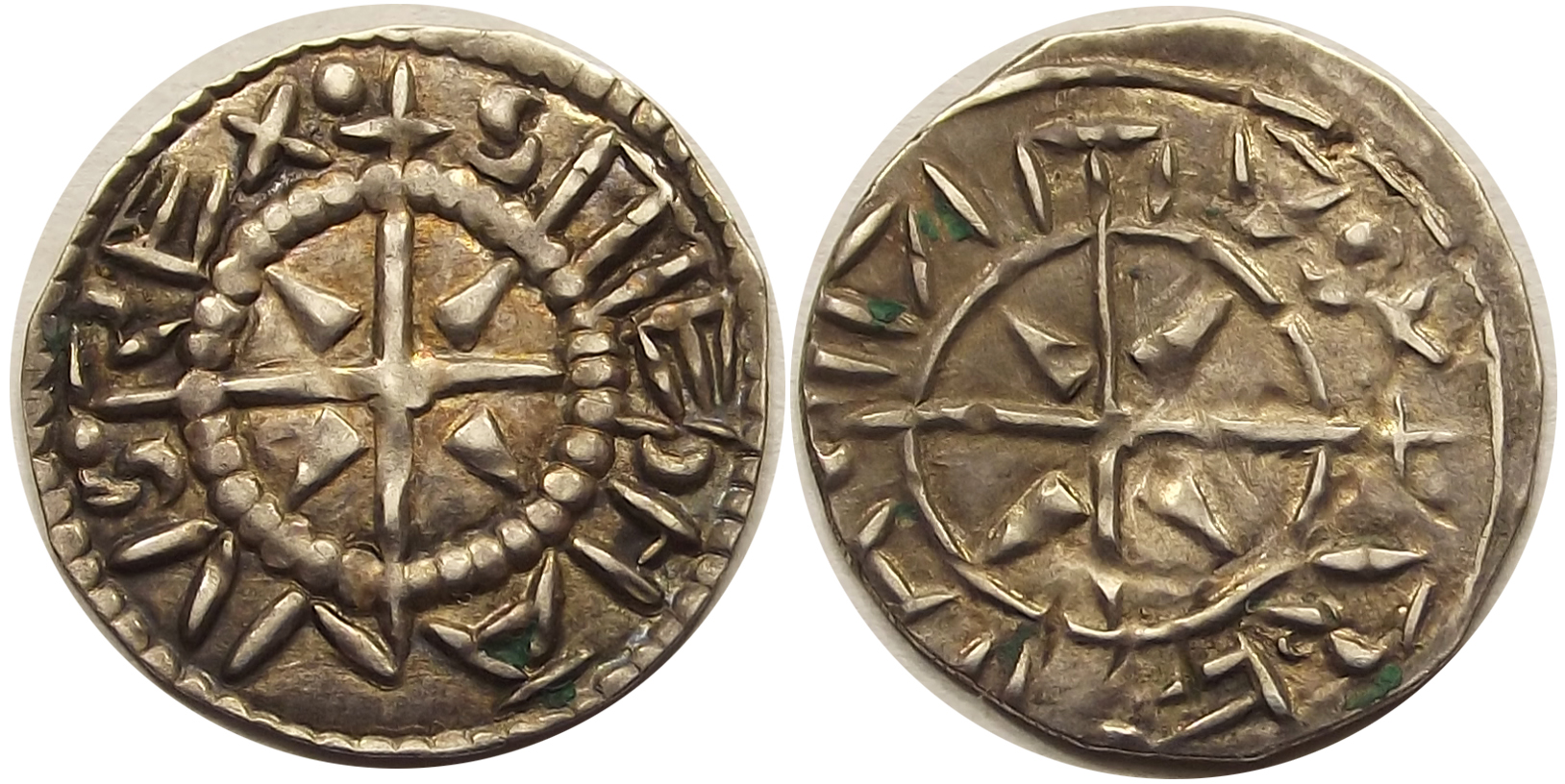
In his county/comitatus the comes was responsible for the economical and administrative work, he served as judge and led the local military. For his service, he got 1/3 of the income from the county (2/3 was passed to the king). The Medieval Hungarian society gained its final shape by the 13th century, so in the times of Stephen the social layers weren't that clear cut, but on county level the highest social "class" were the people of civis and miles (essentially burgher and soldier) who were free in person, were owners of a patch of land, and they served in the military of the county - about 400 men in arms. Immigrant settlers were called colonus and hospes. They were like tenants, paying rent in return for land usage. They produced and turned part of the produce in, they were also obligated in to serve in other ways, such as public work. The largest group were the servients, they were called udvarnok, civilis, and castrensis - the latter showing they were tied to serve the castle (castrum). They were farmers, herders, fishermen, hunters, craftsmen. They also served with their work and production, they were tied to the land (or the castle) so they couldn't move elsewhere. They differed from the servients of private landholders (noble landlords), that in criminal cases they were judged like free people. So all these people worked and a portion of their produce was gathered by the comes and his men. THe comes pocketed 1/3 of the income, the larger chunk was passed to the palace or was used to feed the army of the king.
 08/20/2026 (Thu) 16:00
No.55556
del
08/20/2026 (Thu) 16:00
No.55556
del